Hospitals across Australia depend on hospital cleaning wipes for fast surface cleaning. The reliance is growing. According to Grand View Research, the Australian healthcare wipes market generated USD 539.2 million in 2024 and is projected to reach USD 740 million by 2030. This level of use creates an assumption that wipes deliver consistent, high-quality cleaning.
Evidence shows a different picture. A 2019 study published in the National Library of Medicine found that disinfectant-impregnated wipes often fail to remove enough soil or microbial contamination. Performance varies by material, chemical type, surface, and technique. These gaps make wipes unpredictable and increase the risk of cross contamination in clinical areas.
Hospitals need safer options built for patient protection.
Download the HYGEN™ Disposable Microfibre White Paper to learn more.
Wipe limitations affect hospital hygiene and weaken surface cleaning in hospitals. When wipes miss soil or fail to pick up pathogens, the remaining contamination increases risk for patients and staff. This undermines HAI prevention and allows dangerous microorganisms to move across common touch points. These gaps create a wider threat in fast-paced healthcare settings.
National Library of Medicine research shows that 20 to 40% of HAIs come from contaminated surfaces. When cleaning cloths fail to remove organisms like staphylococcus aureus or pseudomonas aeruginosa, the remaining residue becomes a continuous threat. Wipe limitations contribute to this problem and weaken the effect of any multipurpose disinfectant used during routine cleaning.
A patient who enters a contaminated room is 5 to 6 times more likely to acquire an infection. Low-performing wipes leave behind dangerous pathogens even when the surface looks clean.
Fast-paced wards increase turnover and reduce the time staff have to properly clean. This creates a cycle where wipes appear convenient but fail to deliver exceptional performance. The result is a false sense of security.
Wipes remain common across healthcare settings because they appear fast and simple. The process feels familiar, even when the limitations weaken hospital hygiene.
Common reasons hospitals continue using wipes:
Perceived convenience
Wipes are stored in a box and used quickly. The process feels easy during busy shifts. Staff assume the multipurpose disinfectant on the wipe provides broad antimicrobial activity, even when soil or limited contact time limit effectiveness.
Legacy purchasing habits
Hospital-grade wipes have long been stocked across the healthcare facility. This reduces motivation to shift toward microfibre cleaning cloths or cleaning cloths that deliver exceptional performance and stronger physical removal.
Limited awareness of wipe limitations
Many teams do not know that some wipes leave lint, hold uneven moisture, or lose effectiveness across common touch points. These issues damage cleanliness and increase spread.
Assumptions about chemical strength
Staff often believe the detergent or chemical solution formulated into the wipe is enough for disinfecting. This confidence remains high even when tested results show inconsistent removal.
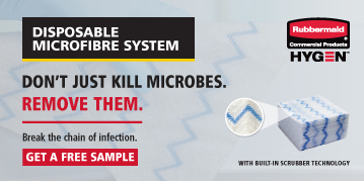
Disposable microfibre cleaning cloths give hospital-grade results that many wipes cannot match. They strengthen surface cleaning in hospitals because they remove pathogens through physical pickup rather than full chemical reliance.
Our White Paper shows Disposable Microfibre removes 99.99% or more of tested pathogens with water only. This proven level of removal limits contamination across common touch points and reduces the risk linked to wipe limitations. Microfibre cleaning cloths also cover a larger area than most wipes. Their structure holds moisture evenly and keeps the cloths streak free on surfaces like metal or glass.
Disposable Microfibre is compatible with the multipurpose disinfectant already stocked in the healthcare facility. They can continue disinfecting with their current chemical cleaning products while gaining exceptional performance from the physical removal built into the cloth design.
Hospitals operate under constant pressure. Recent reports show 70–90% of hospitals experience EVS shortages, which increases workload and reduces the time available for thorough surface cleaning in hospitals. Disposable microfibre cleaning cloths help teams work faster with less strain, offering stronger hospital hygiene in busy healthcare settings.
Key workflow benefits of using microfibre cloths:
Faster daily cleaning
Disposable microfibre cleaning cloths remove more soil in fewer passes. This improves the pace of routine tasks and supports steady cleanliness across common touch point areas. Daily cleaning times improved by 19% in our case study.
Shorter terminal cleans
Terminal rooms demand thorough soil removal, yet wipes often leave streaks or run dry halfway through the task. Disposable microfibre maintains steady pickup from start to finish, which helps teams move through rooms without stopping to correct residue. This improvement cut terminal cleaning time by 27%.
Lower chemical use
Microfibre removes bioburden through physical pickup, even with water. When paired with a multipurpose disinfectant already stocked in the healthcare facility, the process becomes more efficient. Staff need fewer chemical applications to achieve the same result. This combination reduced chemical consumption by 47%.
Better staff experience
Staff work faster and with less strain when their cleaning cloths stay consistent. Disposable microfibre glides easily, reduces lint, and improves disinfection results. These gains matter in high-pressure hospital hygiene routines. In our study, most team members reported lighter workload and stronger confidence in the final clean.
HYGEN™ Disposable Microfibre is built for clinical cleaning where consistency, speed and reliability matter.
The cloth uses a finely split microfibre structure that creates thousands of contact points with the surface. This high-density network reaches into micro-grooves where soil and residue collect, then locks debris within the fibre stack.
The fibre pattern is engineered to hold solution across the full wipe path. This balanced release prevents dry patches and over-wet zones, helping staff maintain smoother passes on metal, plastic and glass surfaces.
The structural design maintains fibre contact over a wider area before performance drops. This allows each cloth to clean more surface in one go, reducing repeated wiping across common touch points.
Each cloth is manufactured to perform consistently out of the pack. With no laundering stage, there is no fibre breakdown, loss of density or durability issues that affect reusable textiles.
HYGEN™ fibres maintain performance when used with Quat, bleach or hydrogen peroxide. This compatibility lets hospitals continue using their standard multipurpose disinfectant without needing a new solution formulated for the cloths.
Each colour variant supports zoning across the healthcare facility. This helps prevent cloth mix-ups, supports safer workflows and reduces the risk of cross-use between clinical areas.
The cloths maintain uniform pickup and release during movement. This steadiness supports reliable cleaning results under high workloads and reinforces HAI prevention efforts.
Many wipes lose effectiveness after a short distance, forcing staff to use more to achieve acceptable cleanliness. This increases consumable spend and creates ongoing strain on procurement budgets. The need for higher chemical volume adds further cost, as staff compensate for weak soil pickup by applying more multipurpose disinfectant during surface cleaning in hospitals.
Wipes also generate more waste. Each small task requires multiple cloths, leading to high disposal volumes across healthcare settings. This affects operating costs and creates sustainability challenges for hospitals that are working to reduce clinical waste.
The bigger cost sits in cross-contamination risk. When wipes push soil across common touch points, the remaining residue weakens hospital hygiene and increases exposure for staff and patients. These gaps influence HAI prevention and can affect patient outcomes, length of stay and overall trust in the facility.
The reputation impact is harder to quantify but equally important. Patients and accreditation bodies expect visible, consistent cleaning processes. Wipes that leave streaks, residue or inconsistent results undermine confidence and make it harder for teams to meet clinical expectations.
Wipes cannot keep up with the real conditions your teams face every day. The gaps are clear, and the risks are avoidable. Disposable Microfibre gives staff a safer, steadier way to clean without changing chemicals or workflow.
For the full evidence, download the DMF White Paper and see why leading facilities are moving beyond wipes.