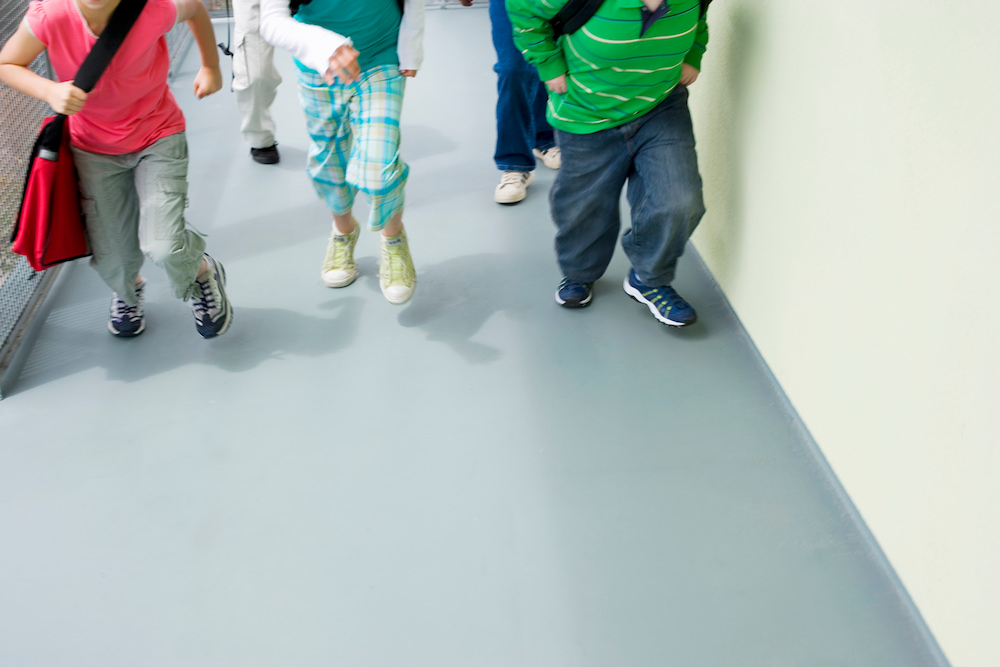
Schools across Australia welcome thousands of students through their doors each day. Corridors, canteens, gyms and washrooms see constant foot traffic from children, teachers, staff and visitors. That level of activity creates a cleaning challenge that basic routines cannot solve. The right cleaning products, applied through consistent procedures, separate a hygienic and safe environment from one that puts student health and well-being at risk.
This guide breaks down how schools can maintain cleanliness across every zone of their campus. We focus on three pillars: floor care, waste and recycling infrastructure, and washroom hand hygiene. Each section pairs practical cleaning advice with Rubbermaid Commercial cleaning solutions designed for the demands of Australian education facilities.
Hygiene in schools is not a background concern. It has a direct impact on student health, attendance, safety and academic performance. Research from Per Capita found that hygiene poverty affects up to 7% of Australian school-aged children. That figure could double under broader poverty indicators. Children affected by poor hygiene miss an average of 13.84 more school days per year than their peers.
During Victoria's 2022 COVID-19 period, more than 1,600 SARS-CoV-2 cases were linked to early childhood and school environments. These generated more than 18,000 close contacts. Schools remain hotspots for disease spread because students share desks, equipment, surfaces, and common areas throughout the day.
Hand hygiene compliance is another gap. A Global Hygiene Council survey found that 42% of children aged 5 to 10 do not properly wash their hands with soap at school. Only 60% of students reported consistent availability of soap. These numbers show that infection control in schools requires more than posters on the wall. It demands the right products, placed in the right locations, restocked on a reliable schedule.
Professional cleaning services have proven results. A Melbourne case study showed that targeted hygiene procedures in high-risk areas reduced absenteeism by 25%. The benefits go beyond health. Schools that prioritise cleanliness create a positive impression for parents and the broader community.
The most effective ways to maintain a hygienic campus come down to three core areas: floor care, waste infrastructure and hand hygiene. When these three pillars work together, schools create a healthy environment. The spread of diseases is reduced, and cleanliness becomes part of the daily culture.
Floors in schools take a beating. From muddy footprints in corridors to food spills in canteens, surfaces accumulate dirt and bacteria fast. Traditional mopping with a bucket is slow, heavy and labour-intensive. It also spreads dirty water across floors rather than removing contamination.
A spray mop system changes the game. The HYGEN™ PULSE™ Microfibre Spray Mop Kit gives cleaning teams a lightweight, bucket-free mopping solution that covers more ground in less time. Its patented on-board reservoir holds enough cleaning solution to clean 79 square metres in a single pass. The ergonomic trigger handle dispenses the solution directly behind the mop head. At just 2.59 kg fully loaded, staff can move quickly between classrooms, hallways and common areas without physical strain.
Microfibre pads pick up more dust, dirt and debris than traditional mop heads. They work on polished concrete, tile, laminate and timber floors. That range of compatibility is vital for schools where floor types vary from room to room. The non-slip tip prevents the handle from sliding when placed against a wall. This is an important safety feature for busy school corridors.
For schools looking to improve indoor air quality, microfibre systems are a smart choice. They reduce airborne particles by trapping dust rather than pushing it around. Cleaner floors mean cleaner air in classrooms where students spend hours each day.
Waste builds up quickly in schools. Canteens generate food scraps and packaging. Classrooms produce paper, craft materials and general rubbish. Without a clear waste management system, bins overflow, odours develop and contamination becomes a risk.
The Slim Jim® Recycling Stations solve this by giving schools a structured, multi-stream recycling solution. These stations are colour-coded and help students and staff sort waste correctly. Sorting at the point of disposal reduces contamination and supports the school's sustainability goals.
Slim Jim Recycling Stations fit neatly into corridors, canteens and common areas without taking up excessive floor space. Their slim profile makes them easily accessible in high-traffic areas where students line up during breaks. Schools can configure stations for landfill, paper, plastic and cans, covering the most frequent waste types found on a school campus.
Recycling education is also part of the equation. When students see clearly labelled bins in their hallways, they develop better waste habits over time. The benefits are twofold: schools reduce disposal costs, and students carry sustainability values into adult life.
Hand hygiene is one of the most effective ways to reduce the spread of illness in schools. Yet the data shows a significant gap. Only one in three adolescents practises appropriate hand hygiene. Touch-free dispensers can help close that gap by making hand sanitisation fast, convenient and accessible for students of every age.
The AutoFoam Touch-Free Dispenser eliminates cross-contamination at the point of use. Students do not need to press buttons or pump bottles. The sensor-activated dispenser delivers a consistent dose of foam sanitiser with zero contact. This is especially important for younger children who may not scrub their hands thoroughly with soap and water.
Battery life is a practical concern for schools managing large numbers of dispenser units. AutoFoam dispensers deliver up to 120,000 hand washes on a single set of batteries. That kind of efficiency reduces maintenance time and helps the cleaning team manage their workload without frequent battery changes.
Place AutoFoam dispensers at key locations: school entry points, outside canteens, near washrooms, in corridors and alongside shared equipment stations. Pair them with AutoFoam Touch-Free Soap Refills for a complete hand hygiene system.
Different areas of a school carry different hygiene risks. A canteen needs a different approach from a science lab. Here is a practical guide to pair each zone with the right cleaning method and product type.
Desks, tables, chairs and shared equipment collect germs throughout the day. High-touch areas like door handles, light switches, and keyboards need to be wiped daily with microfibre cloths. Floors should be spray-mopped at the end of each school day to remove dust and debris. In science labs, spill response kits and colour-coded cloths reduce the risk of cross-contamination between surfaces.
Hallways see the highest foot traffic in any school. Floors need attention throughout the day. The HYGEN™ PULSE Spray Mop is ideal for quick spot cleaning between classes. Recycling stations should be placed at regular intervals so students can dispose of waste without walking to a distant bin. Hand sanitiser dispensers at corridor intersections catch students moving between classrooms and the playground.
Food waste, spills, and frequent contact make canteens one of the highest-risk zones in a school. Tables should be wiped down after every break using food-safe cleaning solutions. Floors need to be mopped after each meal service to maintain safety and prevent slips. Waste bins must be emptied regularly. Multi-stream recycling stations in canteens help students separate food scraps from recyclable packaging, reducing contamination.
Washroom surfaces, sinks and floors require disinfection multiple times per day. Soap dispensers and hand sanitiser stations must remain stocked at all times. AutoFoam dispensers placed at washroom exits give students one final hygiene touchpoint before returning to class. Step-on waste containers reduce contact with bins and keep washroom floors clean and accessible.
Gym equipment and playground surfaces are shared equipment used by hundreds of students each week. Wipe down mats, benches and high-touch surfaces daily. Outdoor areas require regular sweeping and bin checks to manage waste. Hand hygiene stations near gym entrances encourage students to clean their hands before and after physical activity. This is a practical step to reduce the spread of germs in a space where close contact is common.
A structured cleaning schedule removes guesswork and helps schools maintain cleanliness consistently. Here is a simple frequency framework that schools can adapt to their own procedures and campus size.
Spray mop all classroom and corridor floors using the HYGEN™ PULSE Mopping Systems.
Wipe down desks, tables, chairs and high-touch areas with microfibre cloths.
Empty and reline waste and recycling bins across all common areas.
Restock soap, hand sanitiser and paper towel dispensers in washrooms.
Disinfect washroom surfaces, sinks and floors at least twice during school hours.
Scrub canteen tables and mop floors after every break and lunch service.
Deep clean washroom floors and scrub grout lines.
Wipe down gym equipment, mats and benches.
Clean windows, glass partitions and office surfaces in admin areas.
Inspect and restock all hand hygiene stations across campus.
Sweep outdoor play areas and check bin lids for damage.
Strip and refinish hard floors in corridors and classrooms.
Deep clean all carpeted areas and upholstered chairs.
Pressure wash outdoor surfaces and playground equipment.
Audit cleaning equipment and replace worn brooms, mop pads and cloths.
Review and update cleaning procedures based on term performance.
When schools follow a clear schedule and use the right equipment, the cleaning team can work efficiently without cutting corners. Product choices like spray mops, touch-free dispensers and clearly labelled recycling stations reduce labour per task and improve consistency across the campus.
Every minute a cleaner spends hauling a bucket or relining an overflowing bin is a minute not spent on high-priority hygiene tasks. The right cleaning solutions reduce wasted effort and free the team to cover more ground.
The HYGEN™ PULSE™ Microfiber Mop Kit eliminates the bucket entirely. One fill of the on-board reservoir covers 79 square metres. That means fewer trips to the supply room and faster turnaround between classrooms. For a school with dozens of rooms to clean each afternoon, that efficiency adds up fast.
AutoFoam dispensers run for up to three years on a single battery set. Sealed refills click into place in seconds. Staff spend less time on upkeep and more time on tasks that matter. In a business where labour budgets are tight and staff turnover is frequent, products that simplify the job help schools retain workers and maintain consistent standards.
Slim Jim Recycling Stations reduce waste sorting issues at the source. When students separate waste correctly, cleaners spend less time handling recyclables. That translates to fewer bags, fewer trips and a more efficient waste process. Schools also benefit from lower disposal costs and improved compliance with local regulation in Western Australia, Queensland and across Australia.
Cleanliness is not just the responsibility of the maintenance team. A clean school requires buy-in from students, teachers, parents and administrators. When hygiene is treated as a shared responsibility, the results are stronger and more sustainable.
Start with education. Teach students why hand hygiene matters. Show them how to use recycling stations correctly. Make cleanliness part of the school's culture, not just a task on a checklist. Young children respond well to visible cues like colour-coded bins and touch-free dispensers that create positive habits over time.
Teachers play an essential role, too. A quick wipe of desks between classes, a reminder to use the hand sanitiser station before lunch and leading by example all contribute to a safe workplace. When the importance of hygiene is reinforced across every age group, students carry those habits into their homes and future offices.
For property managers and cleaning business operators, investing in professional-grade school cleaning products shows the school community that cleanliness is a top priority. Visible, well-maintained stations and supplies send a clear message: this school takes the safety and health of its students seriously. Schools that create this standard attract better staff and build stronger relationships with their community.
Maintaining cleanliness across a school campus is essential to student health, safety and well-being. It takes the right products, clear procedures and a team committed to getting it right every day. Rubbermaid Commercial offers a complete range of school cleaning products built for the unique demands of education facilities. Explore our education industry solutions to see how these systems work together.