Hygiene expectations have shifted in recent years. People now pay closer attention to how a room smells and how air quality affects their comfort. A fresh scent supports confidence because visitors link clean air with a hygienic environment. This places air care beside surface cleaning, waste management, and hand hygiene as part of a modern facility hygiene strategy.
Cleaning habits also changed as workplaces and commercial spaces responded to higher expectations. According to IBISWorld, demand for commercial cleaning services in Australia rose by 1.9 per cent in 2021 due to stronger interest in safer shared areas. Research published by the National Library of Medicine reported that awareness of indoor air quality increased as people spent more time indoors.
Clean air now shapes the way people judge a space. A room that smells fresh creates a welcoming environment and a consistent first impression. Facilities need an air freshening system that delivers consistent fragrance without sudden bursts or battery use.
Today, most facility managers are turning to passive systems because they provide a steady fragrance without propellants or power. They suit corridors, lobbies, washrooms, and quiet areas that need discreet odour control. Longer-lasting refills also help reduce maintenance rounds in a cost-effective way.
People judge cleanliness through scent before they notice any surface. A study published in the International Journal of Environmental Research and Public Health found that indoor odours influence how people rate comfort and cleanliness, as scent shapes the first impression of a room. This is why odour control has become a core part of a facility hygiene strategy across commercial settings.
Odours often signal hygiene failures faster than visual cues. A washroom or corridor may look clean, yet a strong odour can suggest poor maintenance. This influences customer satisfaction and shapes how staff, patients, and visitors feel about the space. A consistent fragrance helps create a welcoming environment that supports confidence in the cleaning program.
High-traffic areas also need support because they experience greater movement and more sources of bad odours. Washrooms, lobbies, corridors, and patient areas benefit from an air freshening system that delivers consistent fragrance without sudden bursts. A suitable system helps mask odours, maintains a pleasant atmosphere, and keeps the space smelling fresh through the day.
Air care systems fall into two common groups: active and passive. Each system offers different levels of fragrance intensity, maintenance needs, and refill options. The right choice depends on the size of the room, user movement, and how the business manages servicing.
Active systems use an automatic air freshener dispenser that releases fragrance at set intervals. These systems rely on power or propellants to push scent into the room. They can suit large areas that need a stronger burst of fragrance to mask odours. Many models offer programmable settings, allowing users to control intervals and strength. These devices work well in busy environments, but they require batteries and more frequent servicing. Sudden bursts can also create sharp changes in scent intensity.
Passive systems use natural airflow to deliver consistent fragrance. These dispensers do not need batteries or power. They support a steady release that keeps scent levels even through the day. This creates a consistently pleasant atmosphere without sudden changes. Passive systems suit washroom air care, lobbies, corridors, and rooms that need discreet odour control. They are ideal for sustainable air care goals because they reduce battery waste and rely on long-lasting refills.
|
Feature |
Active Air Care |
Passive Air Care |
|
Power Source |
Batteries, programmed mechanisms |
No batteries, no power required |
|
Fragrance Delivery |
Bursts at set intervals |
Continuous, even diffusion |
|
Consistency |
Can fluctuate due to programmed bursts |
Consistent fragrance delivery |
|
Maintenance |
More frequent checks and battery changes |
Low maintenance with long-lasting refills |
|
Odour Control |
Strong scent release to mask bad odours |
Steady fragrance suited for consistent odour control |
|
Sustainability |
Battery waste and higher consumable use |
Sustainable air care with fewer consumables |
|
Cost |
Higher servicing costs |
Cost-effective over longer cycles |
|
Suitability |
Large open zones or areas with strong odours |
Washrooms, corridors, patient areas, workspaces |
|
Atmosphere |
Noticeable scent changes |
Smooth and inviting atmosphere |
|
Installation |
Requires programmed settings |
Simple to install and use |
Passive air care works through a controlled fragrance diffusion process that keeps the room smelling fresh without sudden bursts or changes in intensity. The system uses natural airflow and a sealed reservoir to release fragrance at a steady rate. This supports consistent freshness across washrooms, corridors, lobbies, and other high-traffic areas where odour control is needed throughout the day.
These systems do not rely on batteries, propellants or moving parts. This removes the risk of leaks and reduces the chance of device failure linked to mechanical components. It also supports sustainable air care because it requires no power to operate. With fewer parts, facilities can maintain odour control without extra servicing or troubleshooting.
Passive refills are long-lasting. Most systems provide between 60 and 90 days of fragrance depending on airflow and room size. This gives facility teams predictable servicing cycles and helps them manage time across busy sites. The steady release pattern also prevents the sharp scent peaks that occur with programmed sprays.
Because the system works quietly in the background, it is often treated as a set-and-forget option. Once installed, it delivers a consistently pleasant atmosphere that supports comfort, cleanliness and a professional impression for visitors and staff.
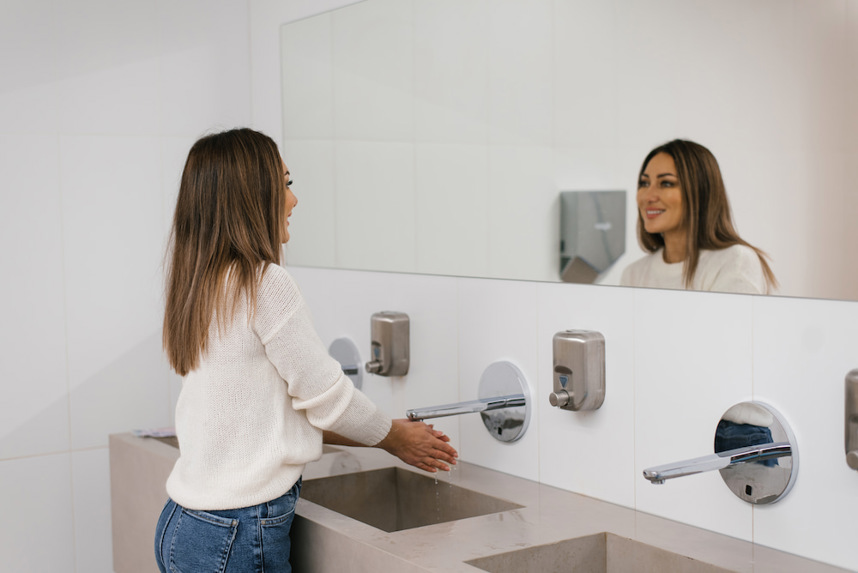
Passive air care supports hygiene programs by providing steady, low-touch fragrance delivery. This approach ensures a consistently pleasant atmosphere without the need for frequent maintenance.
They deliver consistent fragrance through the full cycle. The steady release from day one to day sixty or ninety helps facilities maintain reliable odour control. Healthcare sites benefit from this in patient rooms and waiting areas, where scent changes can affect comfort.
They support sustainable hygiene practices. The absence of batteries and propellants reduces waste and supports greener operations. Hospitality venues value this because sustainability expectations from guests continue to rise.
They improve operational efficiency. Long-lasting refills require fewer service rounds and give cleaning teams predictable schedules. This is useful in large education campuses where staff manage multiple buildings and need simple, low-disruption systems.
They help control costs across the year. Fewer consumables and fewer servicing tasks support better budgeting. Retail environments benefit from this because stores need consistent freshness without frequent interruptions to staff workflow.
They strengthen hygiene perception. A consistently pleasant atmosphere supports confidence in the cleaning program. Office buildings rely on this to present a clean, safe and well-maintained workspace for staff and visitors.
They improve user experience. A fresh scent helps create a calm and comfortable environment. Aged care facilities use passive systems to maintain a gentle, stable scent profile that supports resident comfort without sudden changes.
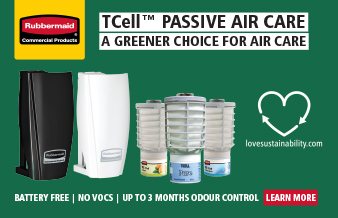
CirculAir 90™ is Rubbermaid's next-generation passive air care system. It delivers 90 days of consistent fragrance with zero maintenance. No batteries. No electricity. The system relies on natural air movement to circulate scent throughout the space.
Each refill is made from a single material and requires no dismantling for recycling. In Australia and New Zealand, recyclability has been assessed and verified through APCO's Packaging Recyclability Evaluation Portal (PREP).
An ISO-compliant Lifecycle Assessment found that CirculAir 90™ reduces environmental impact across all 16 key categories compared to TCell™. This includes 36% less metal and mineral resources and 11% less greenhouse gas emissions across its lifecycle.
The range features 7 fragrances across Citrus, Fougere, Fruity, and Floral families. Intensity levels range from mild to intense to suit different spaces.
The battery-free dispenser operates silently and includes a keyed design for refill security. All installation tools are included. Each unit covers mid-size washrooms with 3 to 4 stalls, up to approximately 6,000 cubic feet.
A holistic hygiene program is shaped by both what people see and what they sense. Passive air care fills an important gap by supporting the overall experience of clean spaces. Surface cleaning removes dirt, waste management handles daily traffic, and hand hygiene reduces the spread of germs. Passive air care works alongside these tasks to create a pleasant atmosphere that reinforces the impact of the entire hygiene program.
This also aligns with ESG goals. Passive systems do not rely on batteries or propellants, which helps reduce waste and supports long-term sustainability targets. The long refill cycle also reduces consumables, which benefits facilities focused on responsible resource use.
For organisations that operate multiple sites, passive air care contributes to a consistent brand experience. A steady and recognisable scent profile helps each location feel familiar and well-managed, which supports visitor confidence.
Commercial teams also gain an efficiency advantage. Passive air care delivers reliable odour control with minimal servicing, allowing staff to focus on tasks that need more attention. The result is a simple addition that strengthens hygiene outcomes across the facility.
Passive air care has become a key part of creating cleaner and more comfortable spaces. It supports confidence by keeping rooms smelling fresh and helps every other hygiene task perform better. With steady fragrance delivery and low servicing needs, it’s a simple upgrade that strengthens any facility’s approach to cleanliness.